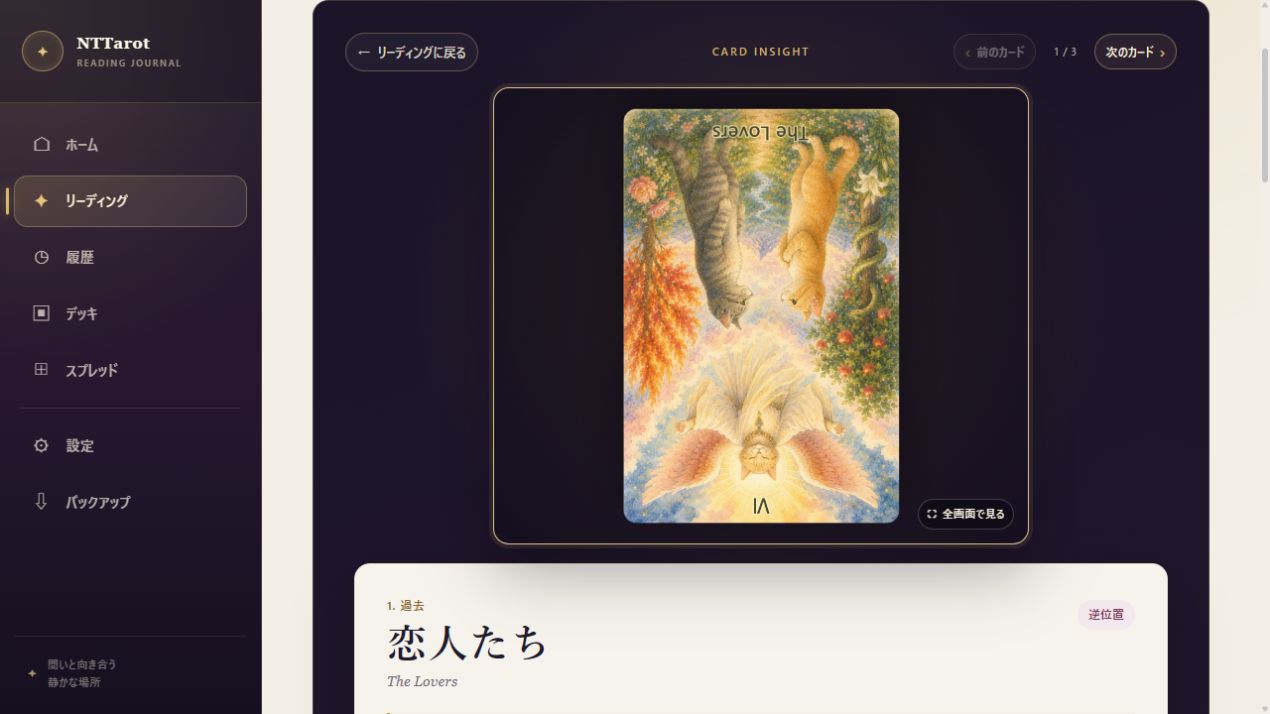
Walking Through 600 Years of Tarot · Final Part
What Does Tarot Reflect?
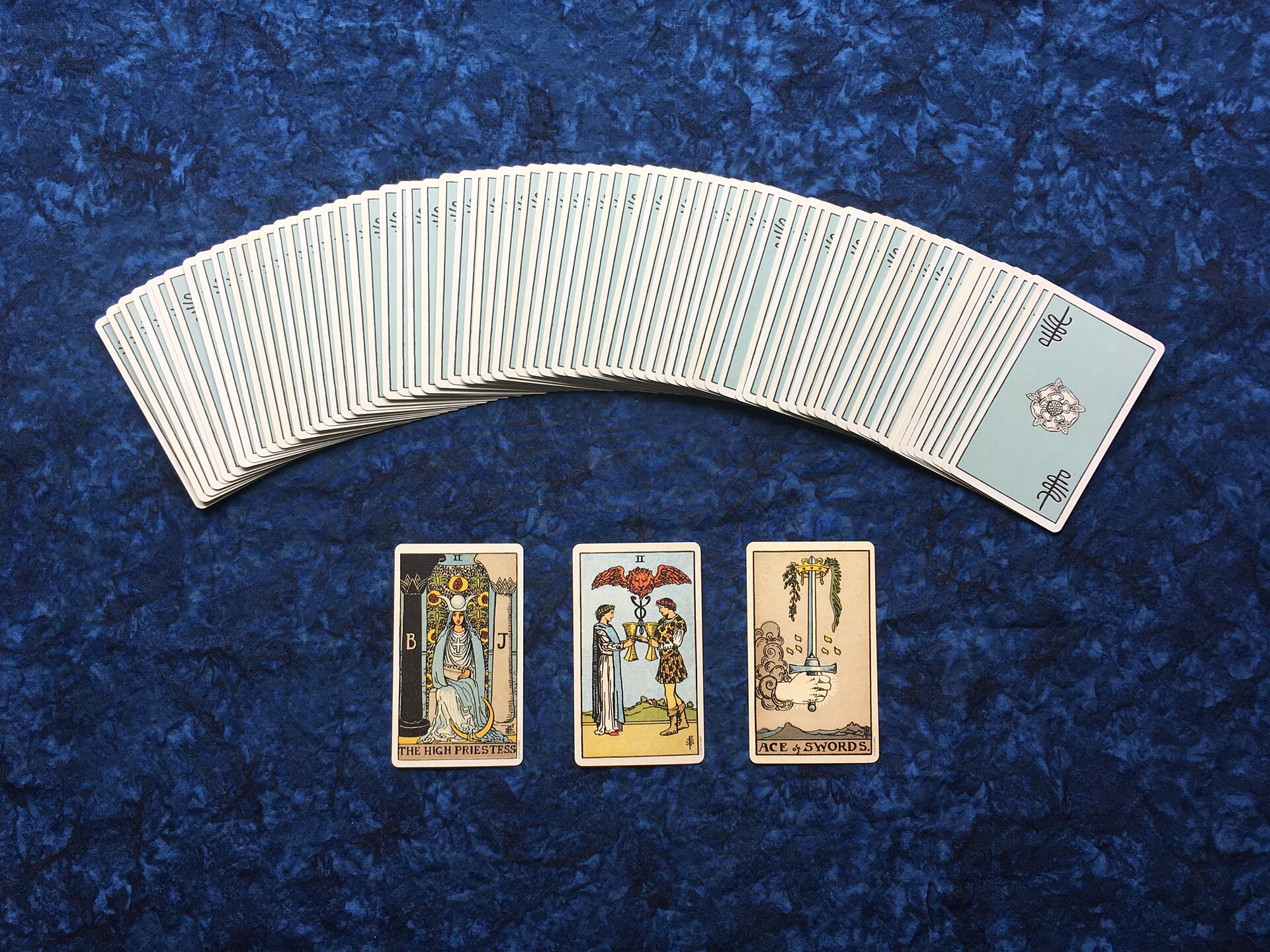
From game to divination, esotericism, art, and self-reflection, look back on 600 years of tarot and ask what the cards reflect for us today.
Read the storyTAROT STORIES
Let one card lead your thoughts a little farther.
These essays are not rules for the correct way to read. They are small observations gathered while living with Tarot and noticing what makes the cards interesting.
LATEST STORIES
Choose a title that catches your interest and take your time.
Walking Through 600 Years of Tarot · Final Part
From game to divination, esotericism, art, and self-reflection, look back on 600 years of tarot and ask what the cards reflect for us today.
Read the storyWalking through 600 years of Tarot · Part 10
From mass publishing and New Age culture to psychology, diverse decks, apps and AI, explore how tarot kept changing—and survived into the modern age.
Read the storyWalking through 600 years of Tarot · Part 9
How did the same Golden Dawn tradition lead to two such different Tarots? Part 9 follows Waite and Smith, Crowley and Harris, and the two visual languages their collaborations created.
Read the storyWalking through 600 years of Tarot · Part 8
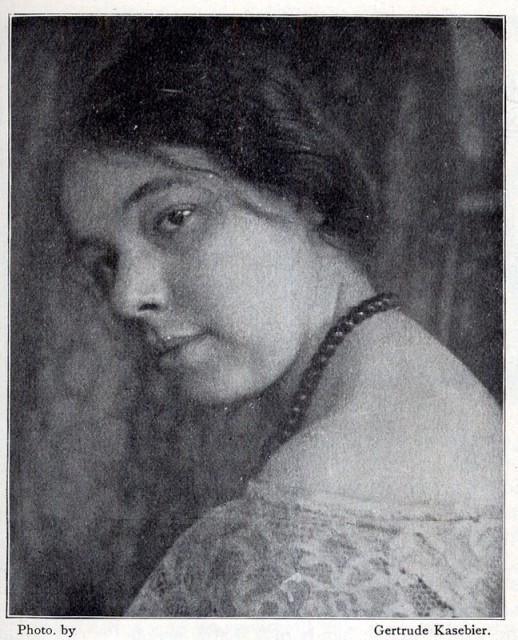
Pamela Colman Smith transformed the Minor Arcana from listed meanings into stories in which people grieve, walk and discover hope. Part 8 follows her many-sided art and the visual language created by her seventy-eight pictures of 1909.
Read the storyWalking through 600 years of Tarot · Part 7
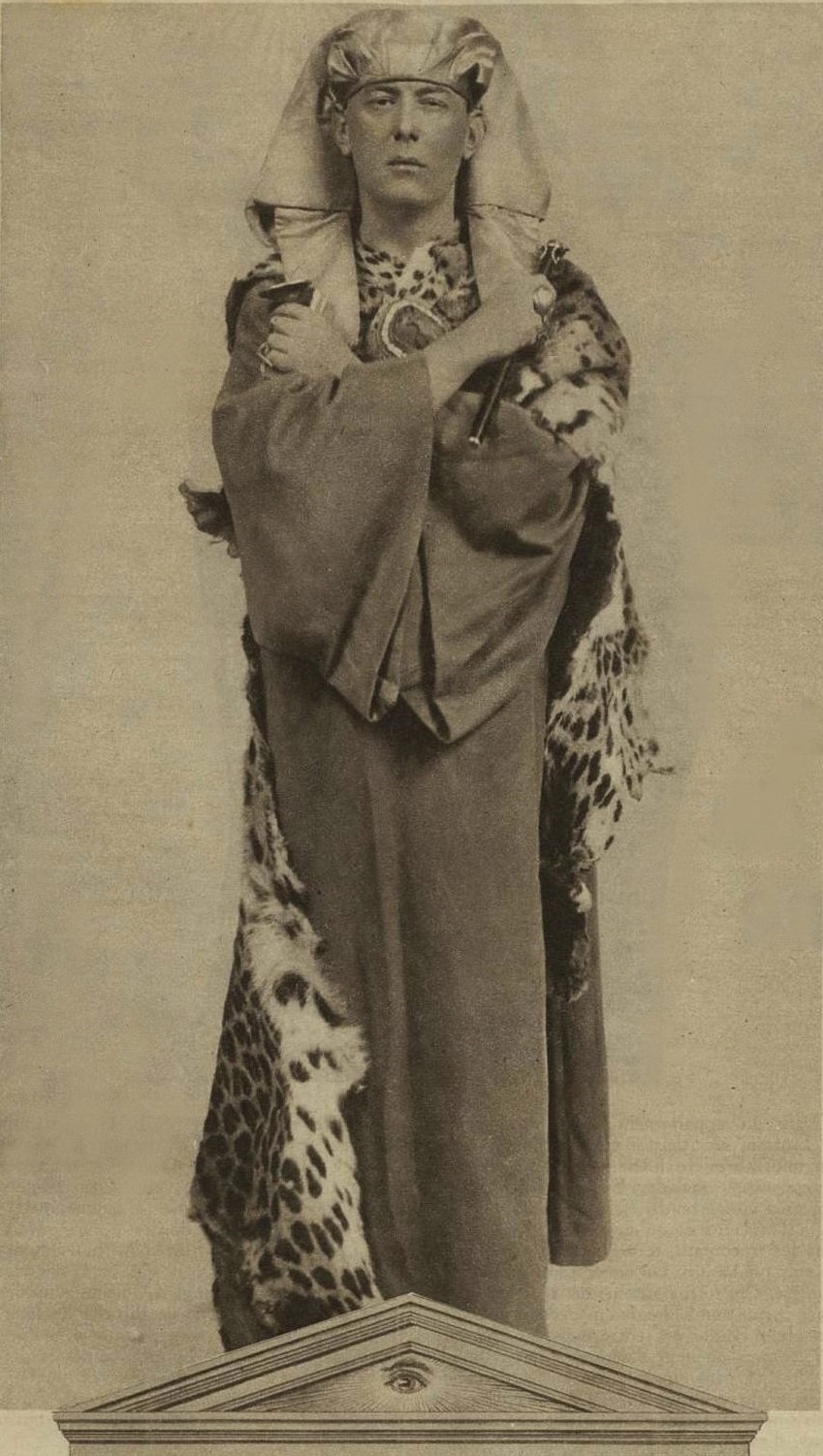
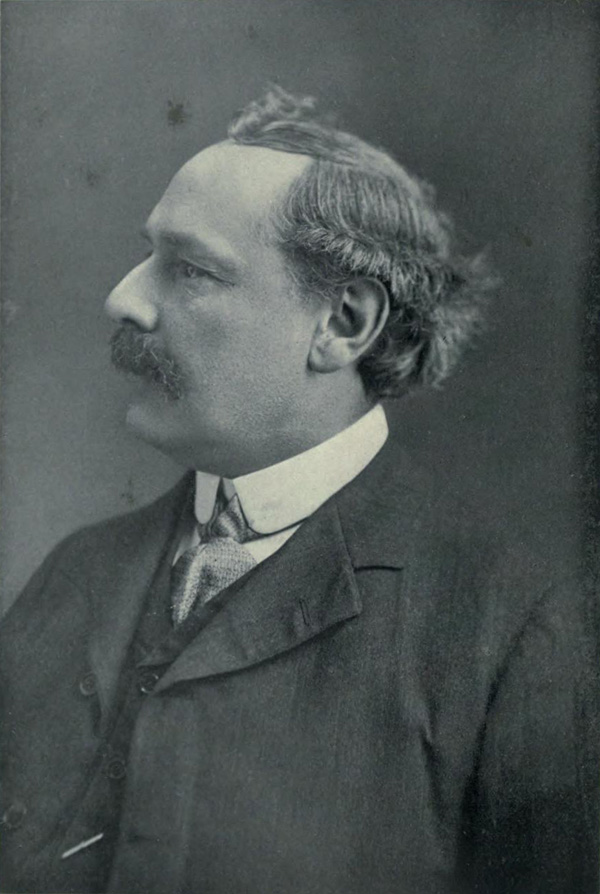
Arthur Waite rejected the Egyptian-origin legend yet still found profound meaning in Tarot symbolism. Part 7 follows the scholar-mystic who separated history from legend and set a new seventy-eight-card deck in motion.
Read the storyWalking through 600 years of Tarot · Part 6
Founded in London in 1888, the Golden Dawn turned Tarot, Kabbalah, astrology and alchemy into a graded curriculum. Part 6 explores the common ground from which the RWS and Thoth traditions later grew.
Read the storyWalking through 600 years of Tarot · Part 5
In the nineteenth century, Éliphas Lévi linked Tarot with Kabbalah, the Hebrew alphabet and Western magic. Part 5 follows the transformation of twenty-two trumps into a symbolic system for contemplating an unseen order of the world.
Read the storyWalking through 600 years of Tarot · Part 4
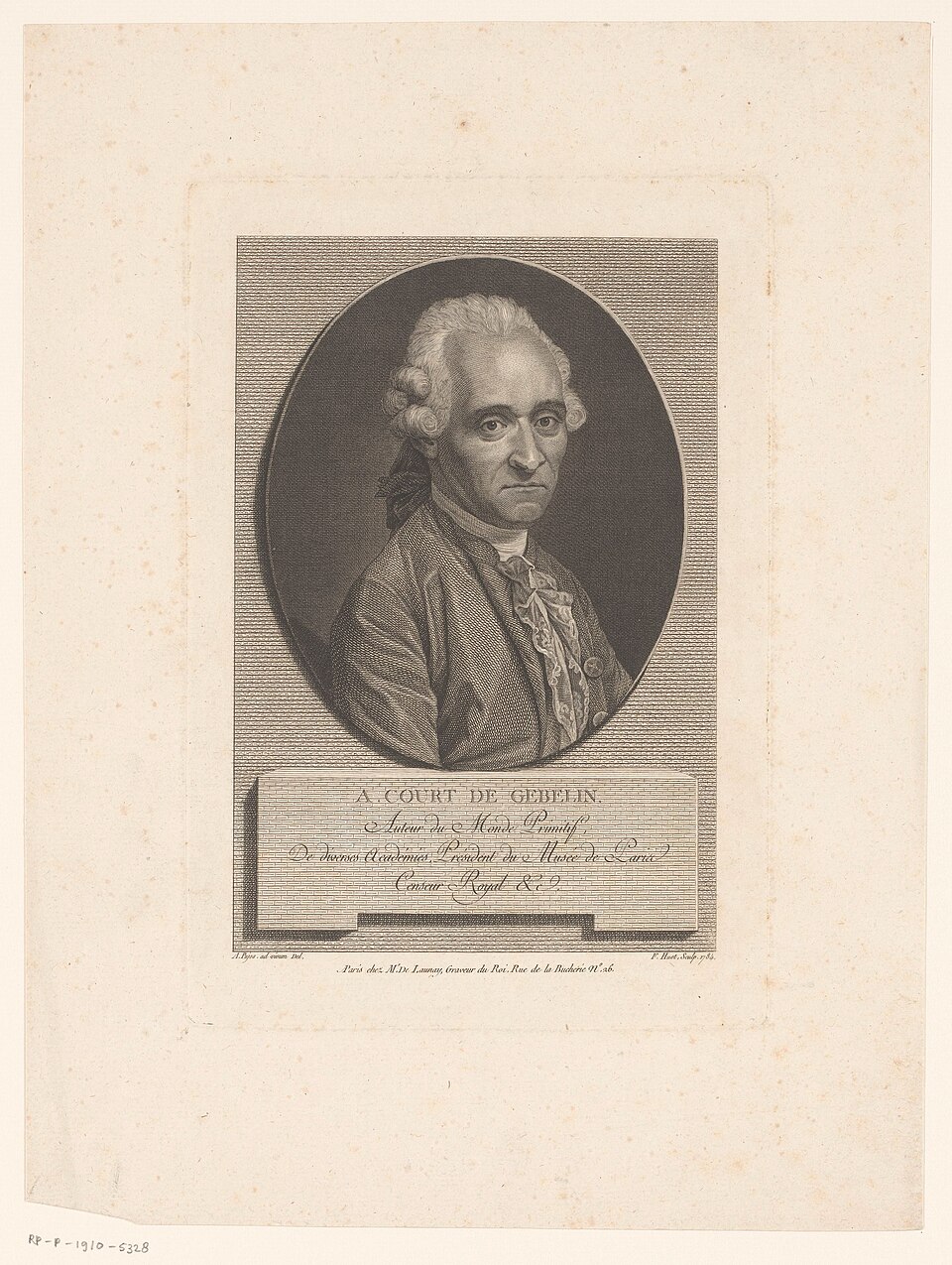
When did a game of Tarot become a way to read the future? Part 4 follows Court de Gébelin’s influential claim of 1781 and Etteilla’s practical system, tracing the years in which Tarot acquired a second life as divination.
Read the storyWalking through 600 years of Tarot · Part 3
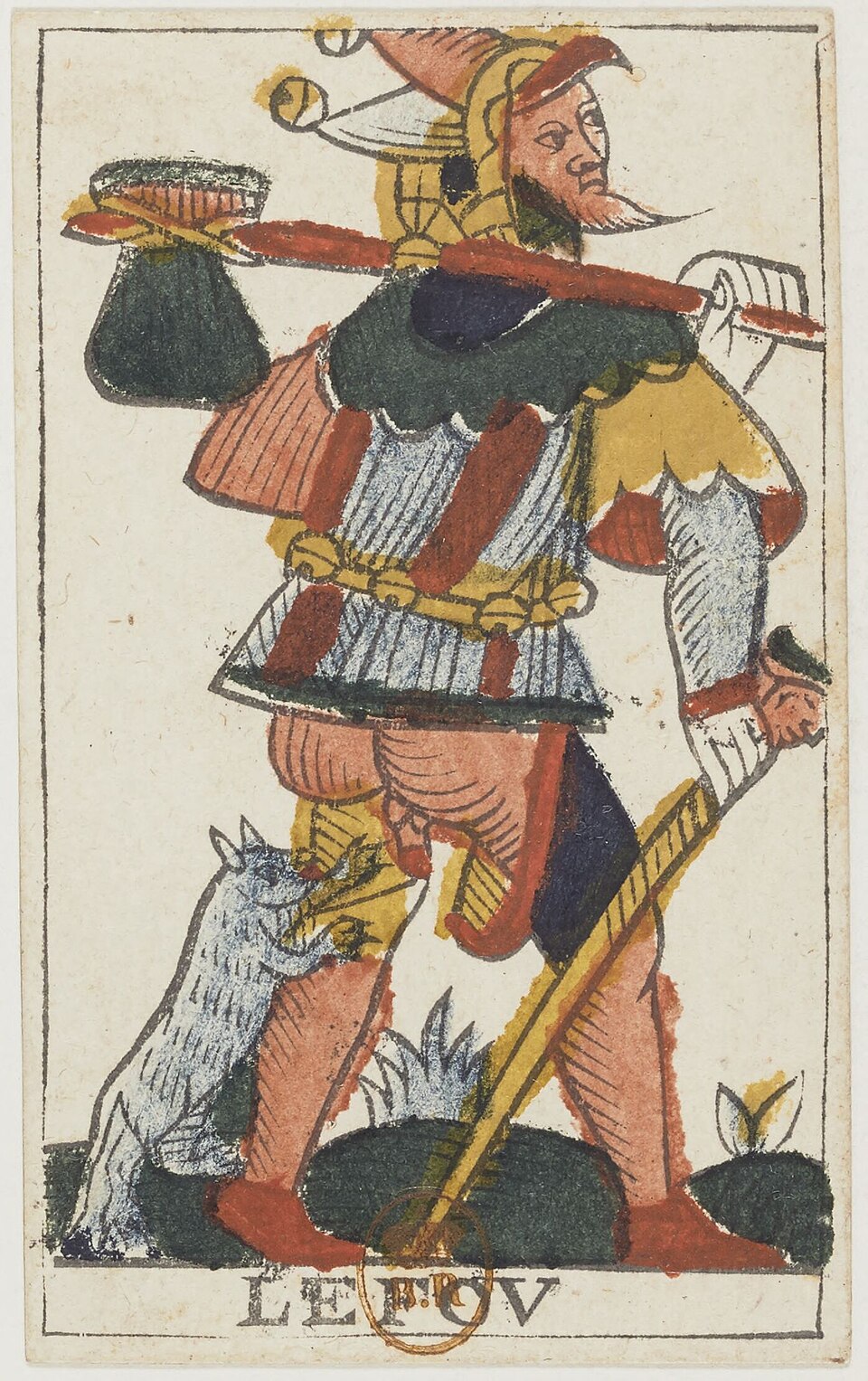
Before Tarot became divination, how was the game actually played? Part 3 follows the earliest known printed rules from 1637: ranked trumps, a shortened 66-card pack and the Fool’s singular ability to lose no trick and be captured by no one.
Read the storyWalking through 600 years of Tarot · Part 2
The Tarot de Marseille is not a single deck invented by one person in Marseille. Through seventeenth-century cards and recent research, Part 2 follows the visual tradition behind the name and its surprising relationship with Paris, Lyon and Marseille.
Read the storyWalking through 600 years of Tarot · Part 1
Tarot did not begin as a way to tell the future. Its story starts with a card game in fifteenth-century Italy. Through surviving Visconti-Sforza cards, this first part traces the early structure that would eventually become the familiar deck of 78 cards.
Read the storyThinking about Tarot with AI · 03
Wanting to ask the cards the same question again is not unusual. Before the search for a desired answer becomes painful, this story uses an AI perspective to consider why you want to ask again, how the question may have changed and what it means to wait.
Read the storyThinking about Tarot with AI · 02
When the cards do not match reality, you do not have to force them to mean something. From an AI's point of view, this story considers both the freedom to say a reading was wrong and the interest of looking back once more for another interpretation.
Read the storyThinking about Tarot with AI · 01
You do not need a perfectly formed question at the start. From an AI's point of view, this story explores how the cards can help you reshape a question little by little and move closer to what you truly wanted to know.
Read the storyCards that give thought a direction
Tarot's appeal is not limited to predicting the future. When thought keeps circling, a card can give it one direction to follow. This story considers that experience through Tarot research and the NTTarot creator's own observations.
Read the story